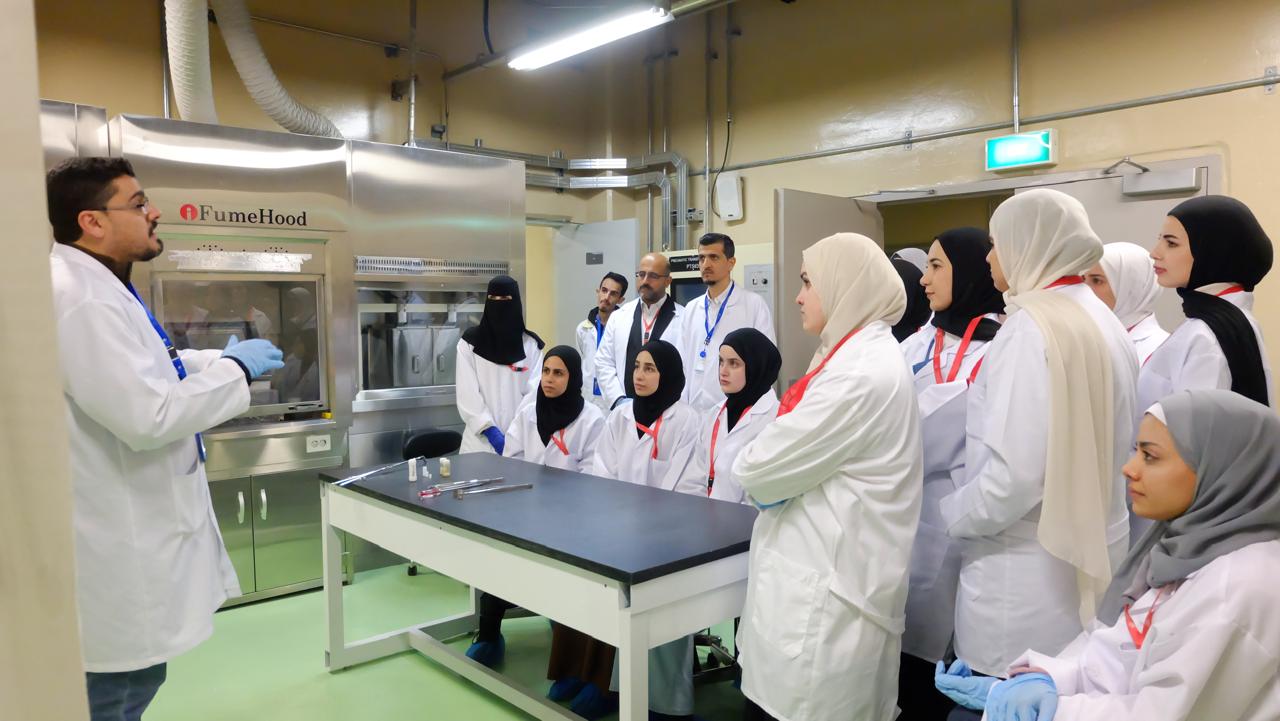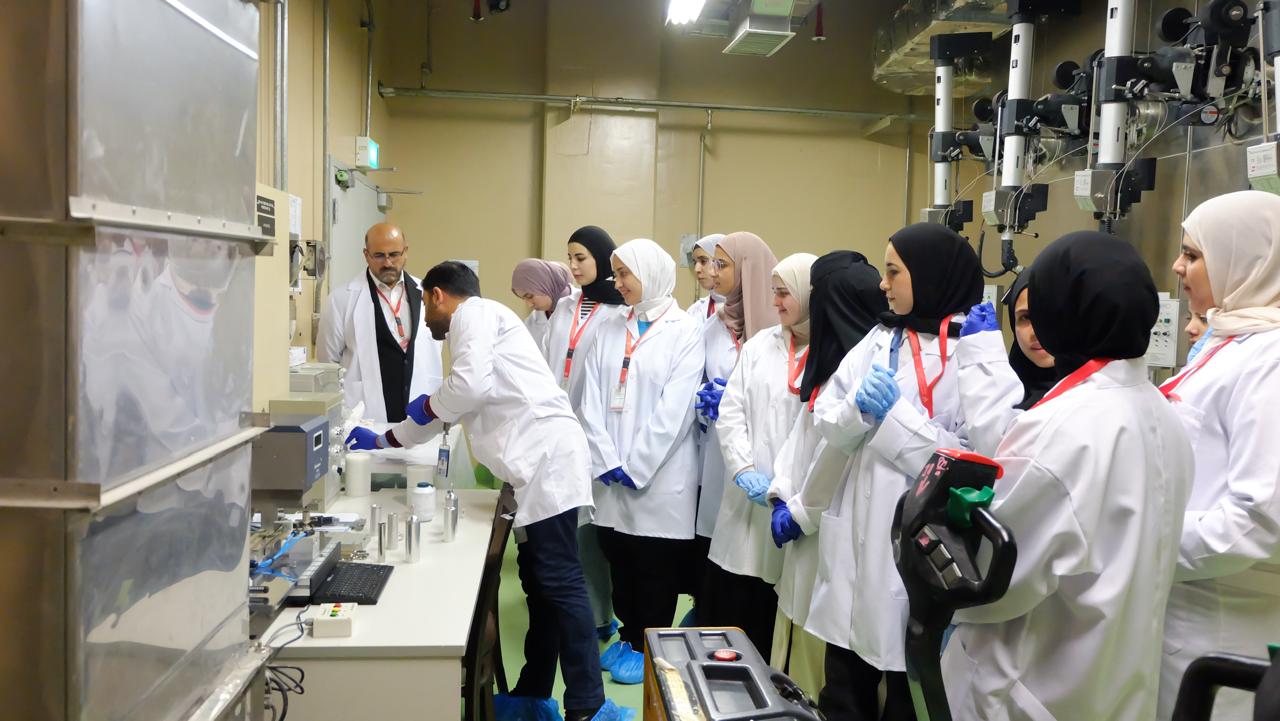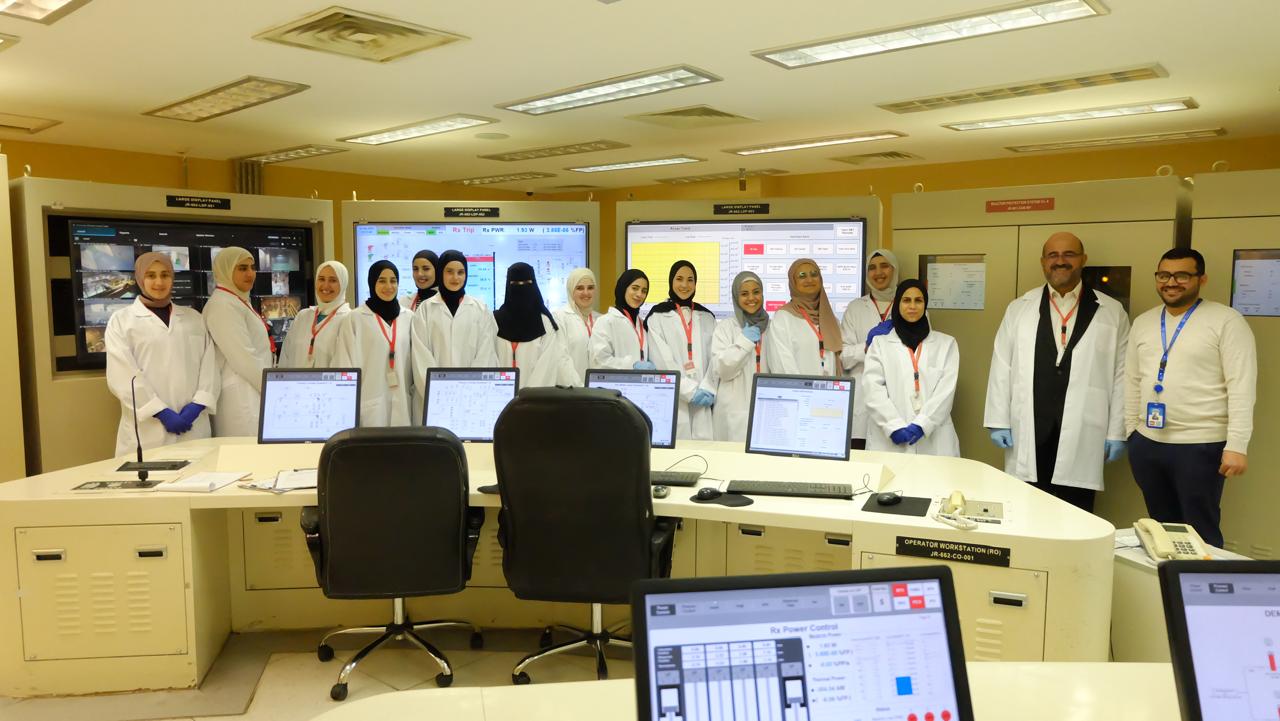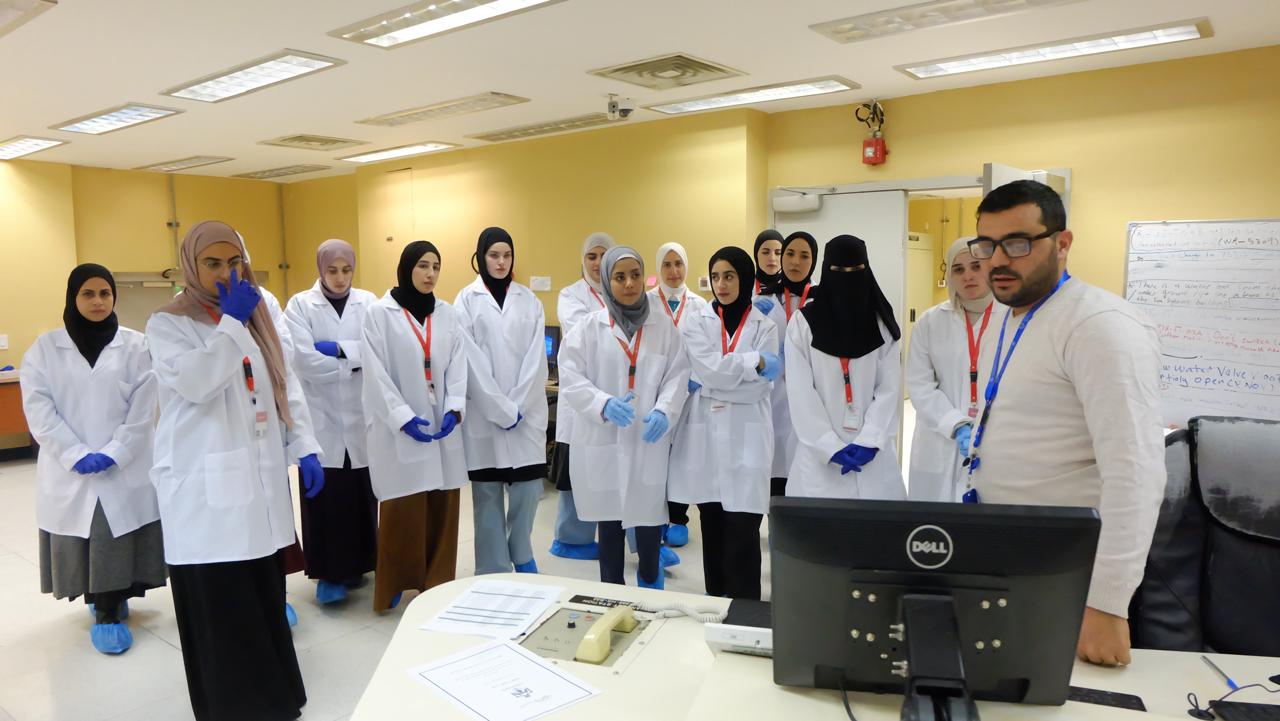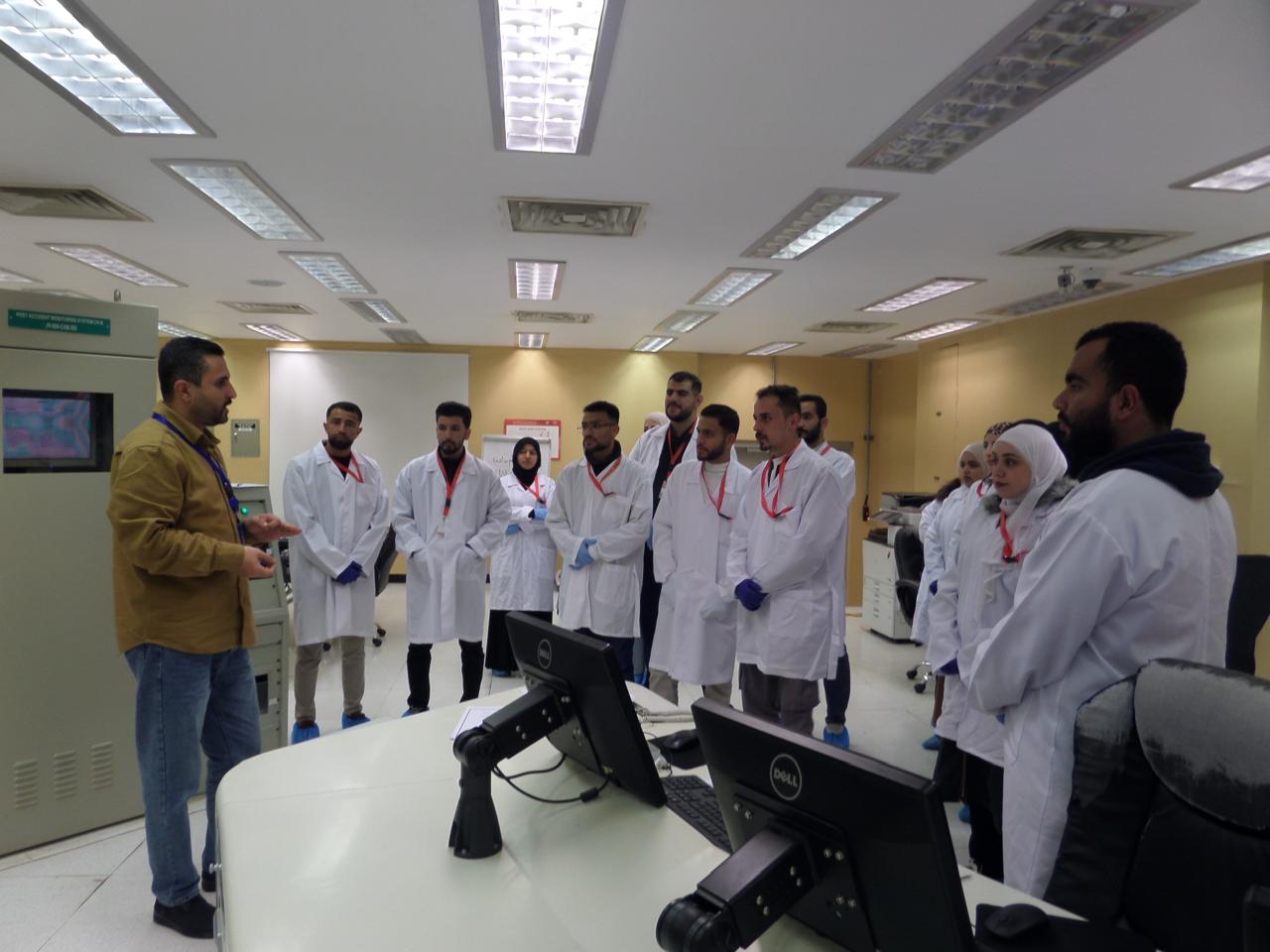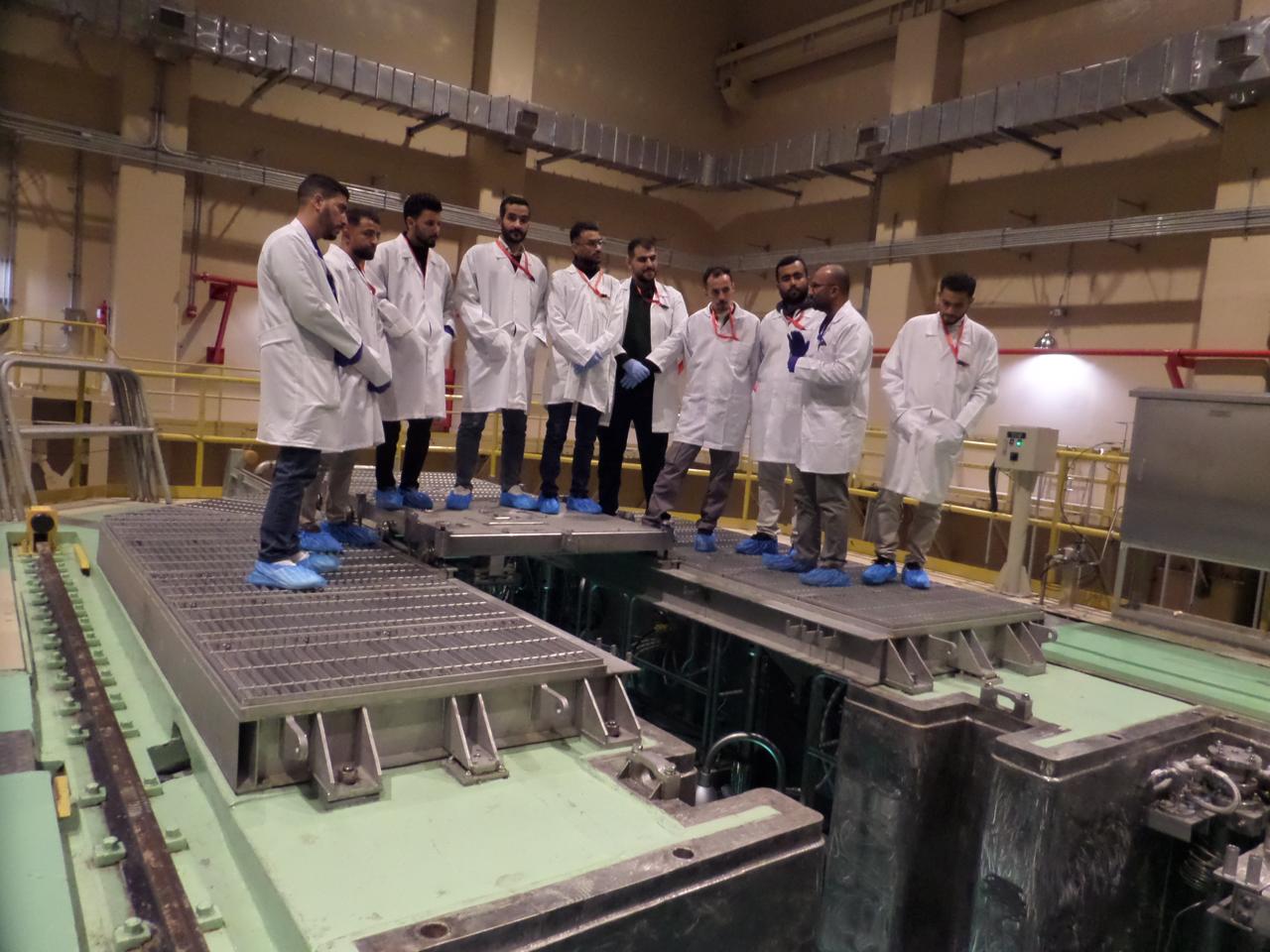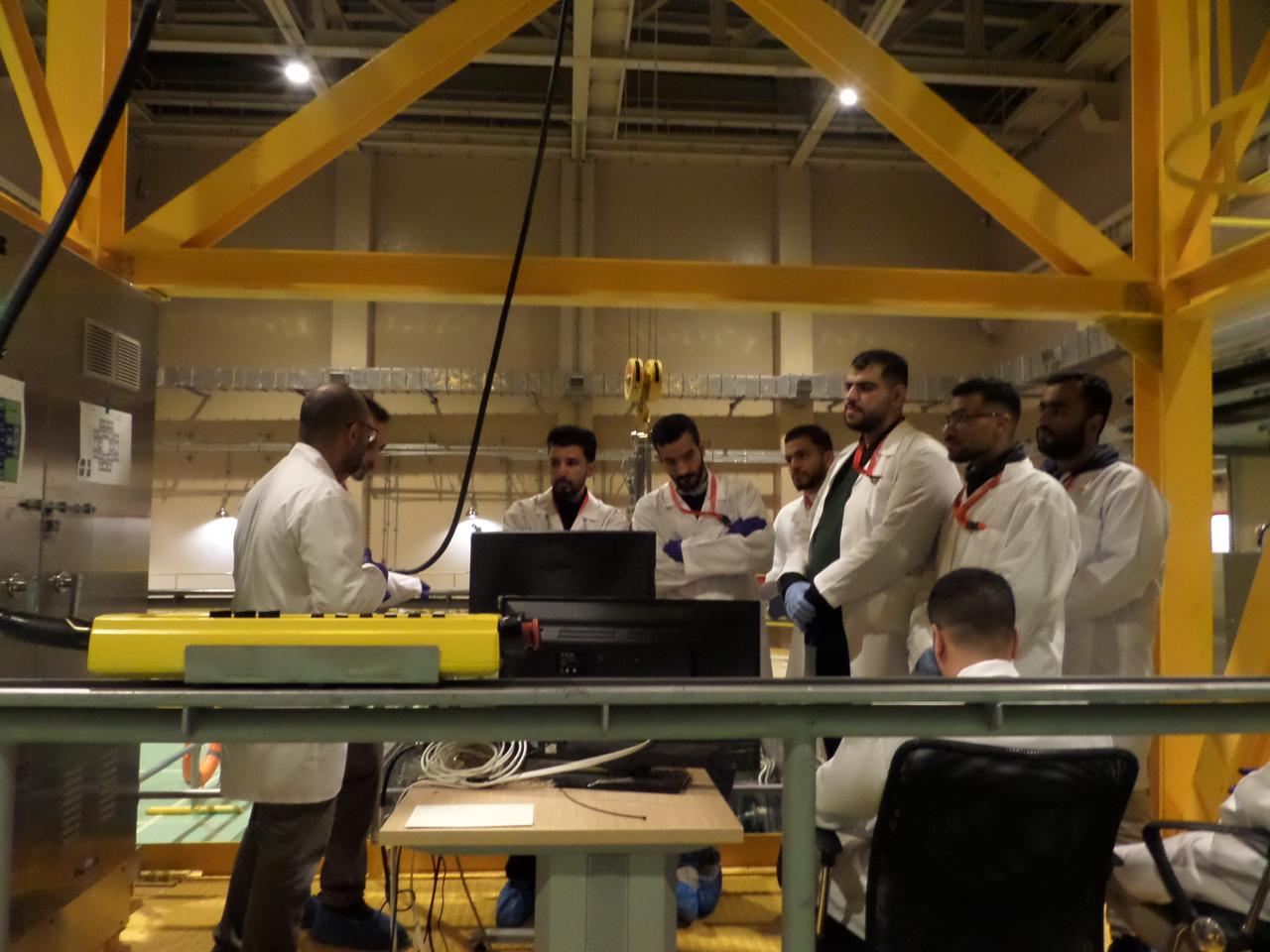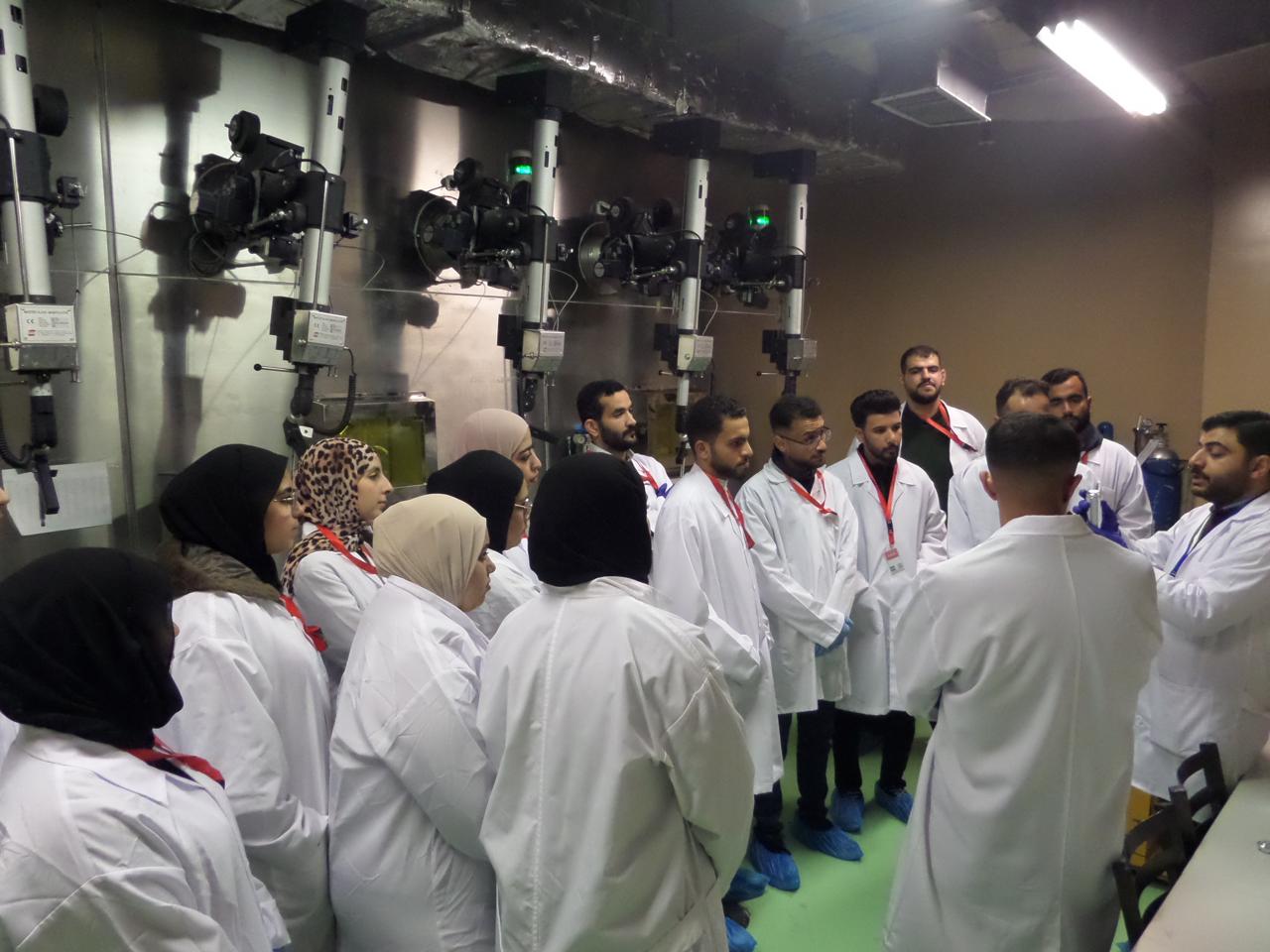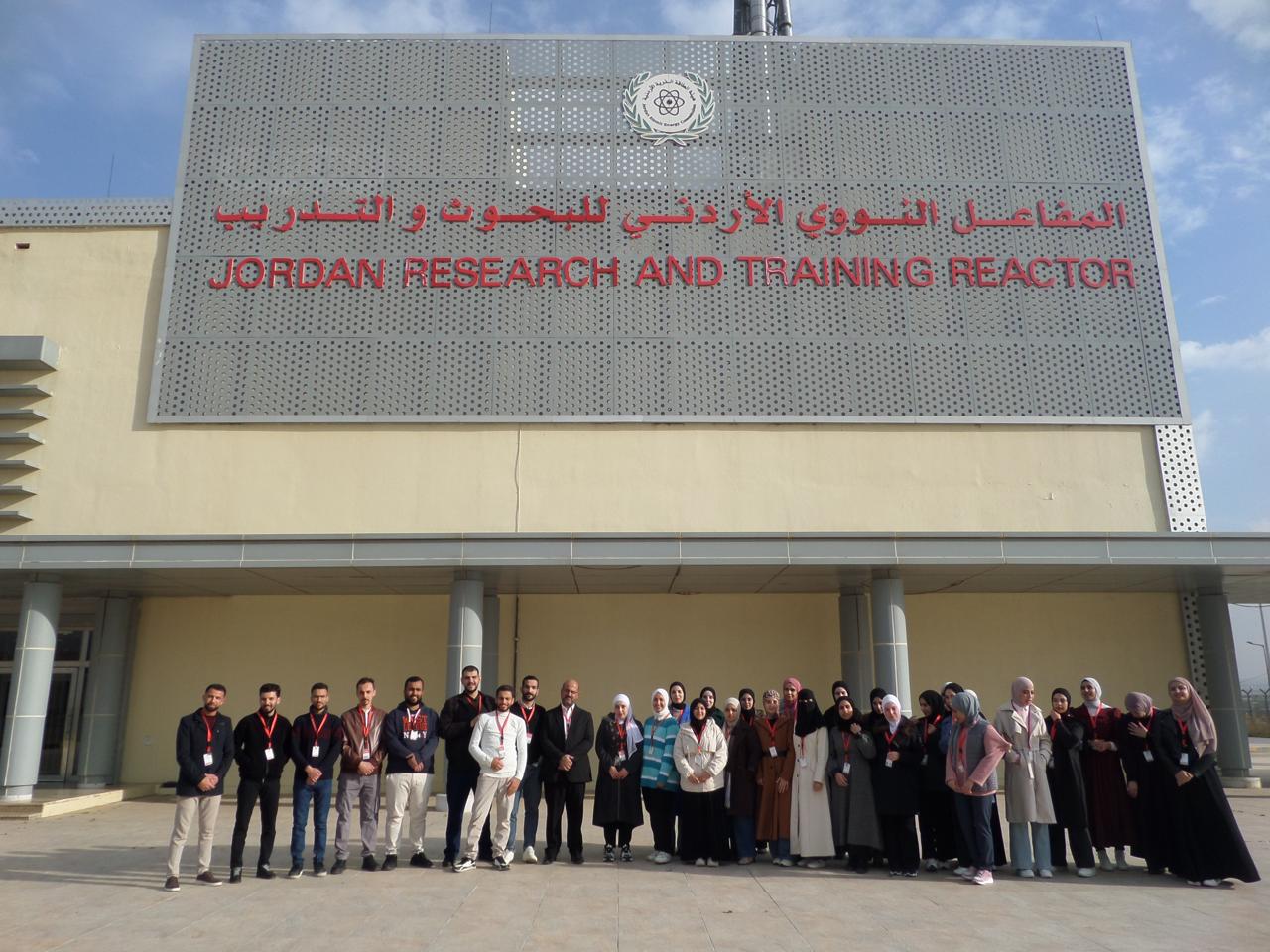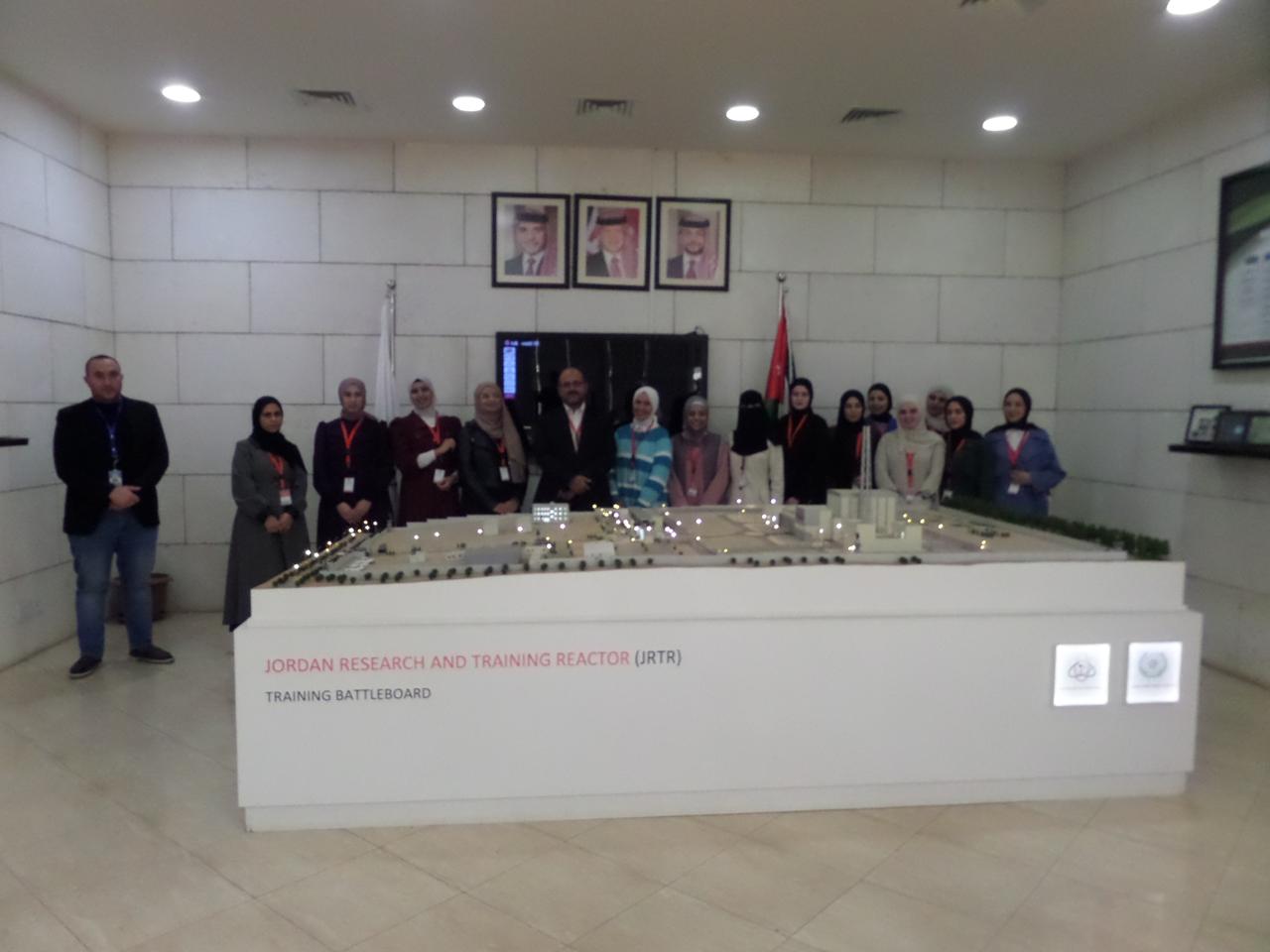
In the context of enhancing the practical dimension and linking theoretical concepts with practical applications in the fields of nuclear physics, neutron applications, and radiation protection, students from the Department of Physics under the supervision of Dr. Ayman Al-Bataineh at Yarmouk University, from both the undergraduate and master’s levels, conducted a scientific visit on December 23, 2025, to the Jordan Research and Training Reactor (JRTR). The visit aimed to familiarize students with the reactor’s facilities, components, and functions, explore the associated laboratories and their role in training and scientific research, and discuss opportunities for cooperation and academic development.
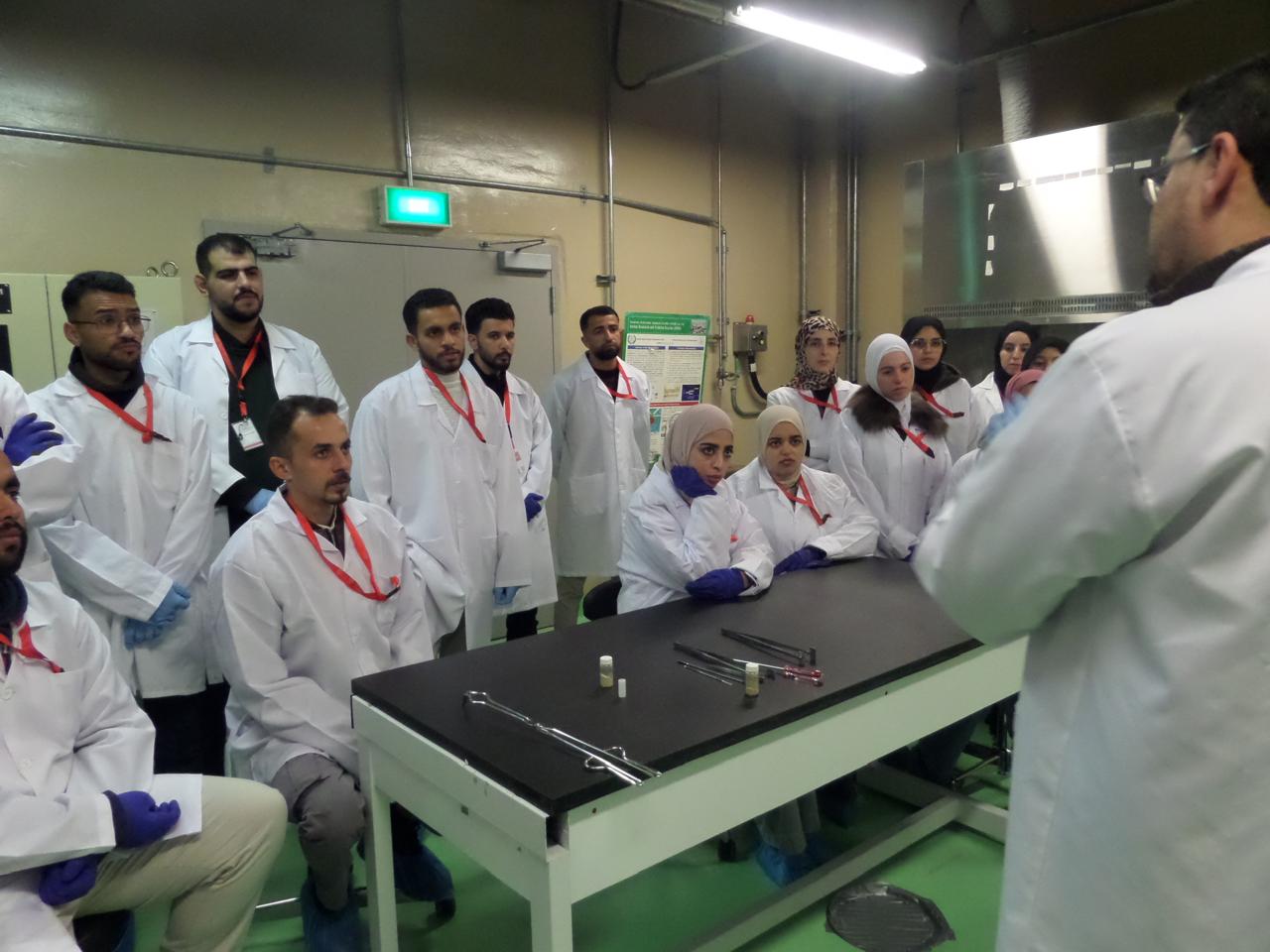
The visit began with welcoming the student delegation, organizing entry procedures, and providing safety instructions and an overview of the tour. An introductory lecture was then delivered, covering the history of the reactor, its components, functions, and major areas of use. Afterwards, a field tour was conducted that included viewing the reactor core under approved protocols, visiting the isotope production laboratory and the neutron irradiation laboratory, with explanations of the nature of the work and safety considerations. Future directions of the reactor were also presented, including plans to establish a semiconductor production laboratory.
At the conclusion of the visit, recommendations were made to continue coordination with the reactor administration to organize specialized training courses for physics students in practical training related to research reactor applications, neutron studies, radiation protection and safety procedures, and relevant scientific research methodologies. It was also proposed to establish a framework for ongoing cooperation (regular visits and training programs) to provide consistent opportunities for undergraduate and master’s students to benefit from the reactor’s facilities and to guide their research projects.
Finally, sincere thanks and appreciation were extended to Yarmouk University, represented by the President, the Dean of the Faculty of Science, and the Head of the Physics Department, for their support and for providing this scientific opportunity. Gratitude was also expressed to the administration of the Jordan Research and Training Reactor, represented by the Chairman of the Jordan Atomic Energy Commission, the reactor director, and all engineers and technicians, for their warm reception, cooperation, explanations, and guidance, which contributed to the success of the visit and enriched the students’ scientific experience. We look forward to continuing this cooperation in ways that serve training, radiation protection, and scientific research for physics students.